
What’s in here?
The Business of News: Why Fluff Gets Published
The Role of Algorithms and Audience Behavior
What Can/Should We Do?
Why This Matters for the New Year
I’m sure you’ll agree with me when I say social media is the double-edged sword of modern life.
Platforms like Instagram and Facebook let us follow news outlets with a simple tap. So in theory, our feeds should be a goldmine of information, serving up insights that actually matter. But instead, what do we often get?
Celebrity scandals. Questionable red carpet outfits. A headline about someone’s $30 avocado toast.
Cue the chorus in the comments section: “Why is this news?!”
If this sounds familiar, you’re not alone. It’s frustrating to expect serious journalism from a platform you follow for “real news” only to see fluff clogging your feed.
But before we light up the comments with snarky critiques, I want to dive into why this happens—and what we can do to see better content in 2025.
The Business of News: Why Fluff Gets Published
Let’s face it. News outlets aren’t just public service providers; they’re businesses too. And like any business, they need revenue to survive (and pay their writers!). Thus, the utilization of clicks and engagement—the currency of the digital age.
Celebrity gossip, trending memes, and salacious headlines are engagement goldmines. People love to click on them (admit it!), even if it’s to roll their eyes.
Meanwhile, serious investigative pieces, no matter how important, often don’t generate the same buzz. For us Filipinos, that means not reading enough about the questionable land reclamation in Manila Bay. Or the years-long land-grabbing war happening in Masungi Georeserve, Rizal.
The harsh truth? Substance doesn’t always sell.
Plus, news outlets are in a constant race to stay relevant. If everyone’s talking about a celebrity breakup, they risk being ignored if they stick to their carefully crafted exposé on climate policy. So, sadly, they compromise.
Side note: I know some of you think the posts that news platforms publish are “masterminded” by a shadowy cabal of billionaires pulling the strings behind the scenes. But as a former Newsweek writer, let me set the record straight: That’s not how it works.
For the most part, writers have the freedom to pitch the stories they want to write. However—and this is key—we’re also trained to consider the economics of our work. In a newsroom, your article isn’t just a piece of journalism; it’s an investment of time and resources. And like any investment, it’s expected to generate returns. If an article won’t attract clicks or engagement, it’s a hard sell.
The Role of Algorithms and Audience Behavior
Another factor to consider: algorithm. The unseen puppeteers of your feed don’t care about journalistic integrity. Algorithm is math. It measures engagement.
When we click on lighter stories, algorithms take note. They assume we want more of the same, so our feeds get personalized based on what types of posts we spend more time engaging with (sharing, liking, reading, commenting on).
And when thousands of other people do the same thing, it creates a feedback loop, so we can’t fully blame platforms for prioritizing the content that generates the most activity.
Serious news? It gets buried, even if it’s life-changing. So, yes, algorithms are part of the problem.
But let’s not ignore the elephant in the room: Us. Complaining in the comments section while secretly clicking on gossip is, to put it bluntly, hypocritical. We’re like Karens yelling at a bakery for selling donuts while sneaking one into your shopping cart.
What Can/Should We Do?
Here’s the good news (pun intended 🤪): We have more power than we think.
If you want to see serious news in your feed, you MUST engage with it. A like, a comment, a share—it all adds up. Algorithms take these signals and adjust what gets prioritized.
On the flip side, AVOID doomscrolling through sensationalist articles. Even a hate click feeds the algorithm. Resist the temptation to comment, no matter how bizarre the headline. Simply skip past it!
If you want to take it further, support platforms and journalists doing meaningful work. Subscribe, donate, or share their work. Every little action sends a message that substance matters.
Why This Matters for the New Year
This is my last post for the year, so I want to share something that could help improve the quality of your life and everyone else’s affected by your actions.
As we step into 2025, let’s make one collective resolution: Be mindful of what we consume—and what we encourage.
Every click, like, and share shape the media landscape. We can’t complain about the lack of substance if we don’t support the substance that’s already out there.
Care for the dolphins. Question political decisions. Talk about the things that truly matter.
It’s a simple but powerful concept: Demand drives supply. Like everything going on in this world, the news you receive is the ripple effect of collective, intentional action.
Next time you’re tempted to vent in the comments section, remember the power to change your feed is in your hands because news platforms respond to engagement.
If we want better content, we have to engage with it.
Let’s make 2025 the year of better choices—not just in what we read, but in how we shape the conversations around us. Together, we can shift the spotlight to stories that truly matter.
Because wouldn’t it be nice to open our feeds and think, “Now this is news!”

What the U.S. and Philippine Elections Reveal: Celebrity Influence Doesn’t Matter
Today, I want to dive into something completely new for my blog: the (un)surprising similarities between presidential voting results in the US and the Philippines, particularly the effect of celebrity endorsements.
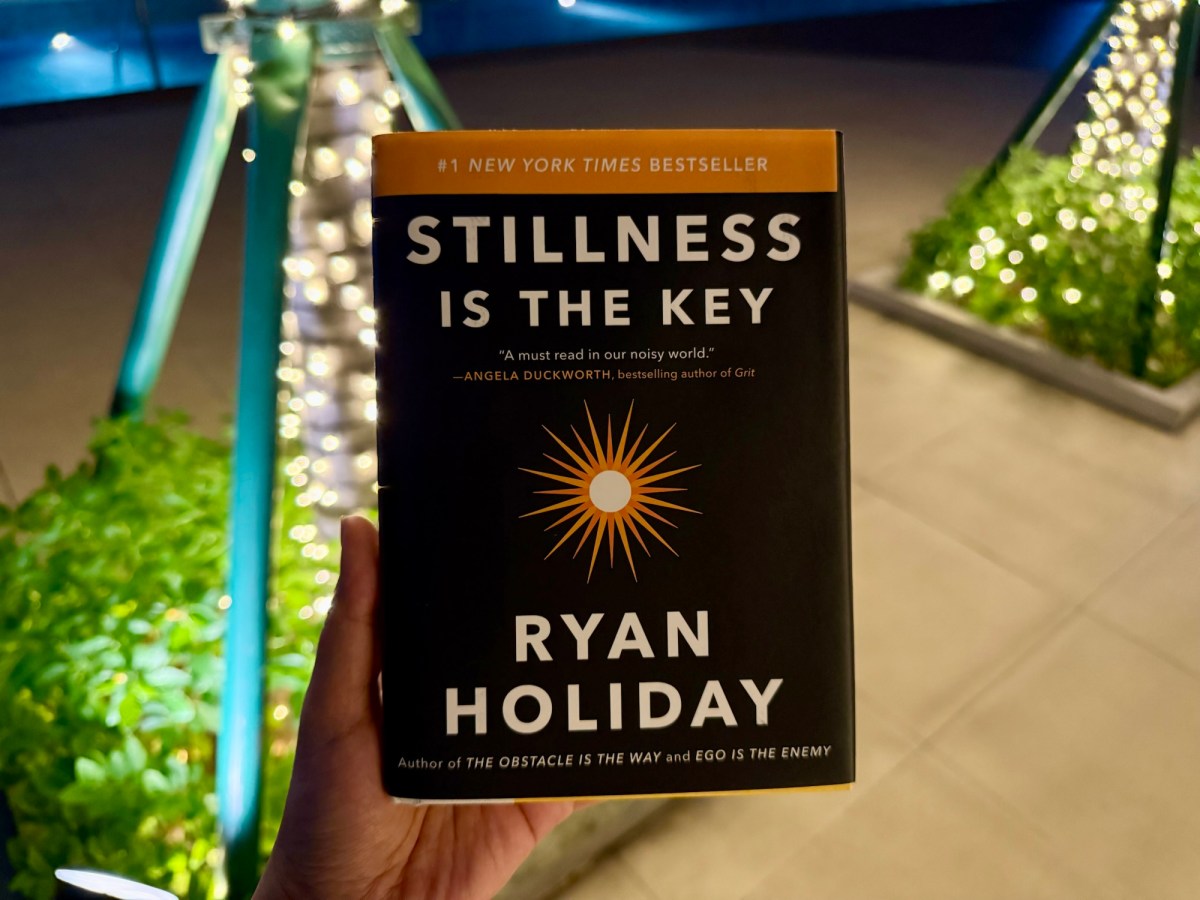
Stillness is the Key by Ryan Holiday: Raw Insights for a Transformative New Year
Today is the second-to-last Sunday of the year. As the days wind down, I wanted to share something meaningful—something you can carry with you into the coming year. I’ve found just the thing: Stillness Is the Key by Ryan Holiday. I read this book a few years ago, and it’s stayed with me ever since…

Masungi Georeserve: A Conservation Marvel Threatened by Controversy
Masungi Georeserve is a breathtaking 450-hectare conservation area with over 800 species of flora and fauna. The reserve’s conservation efforts have been globally recognized, yet it faces threats from controversial government actions, illegal logging, and land trafficking.


Leave a comment