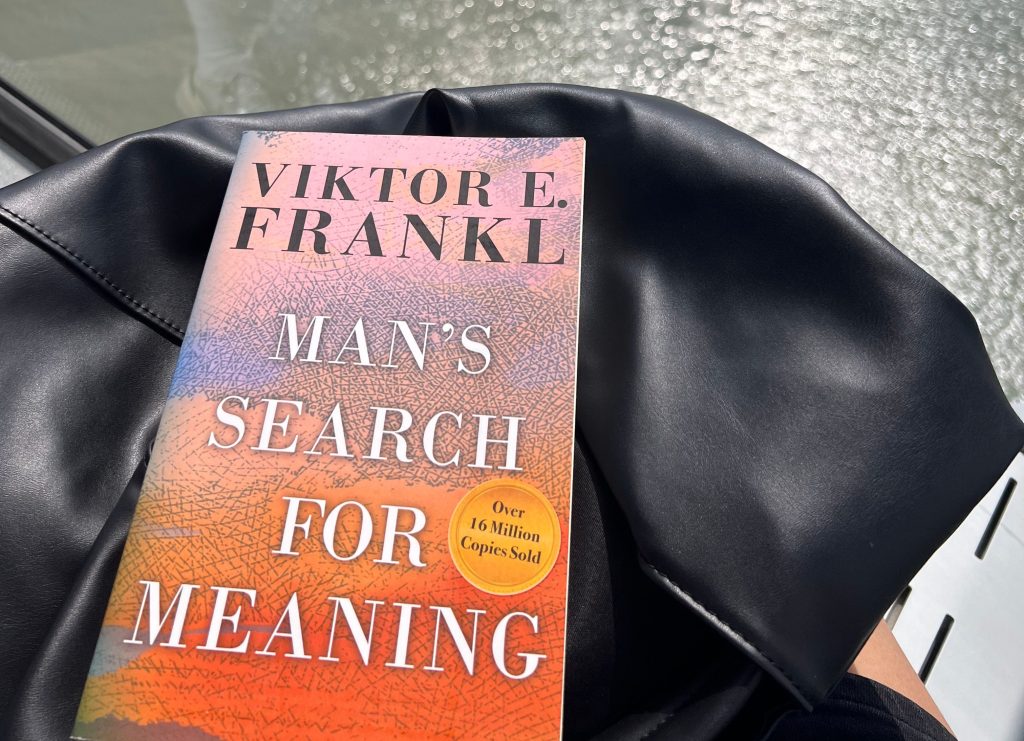
No matter how many books you’ve read, there will always be at least one great one you never knew existed. Until fate decides it’s time for you to discover it, and its existence is introduced to you in the most natural way that only fate can orchestrate.
I discovered Man’s Search for Meaning by Viktor Frankl a few years ago while reading a newsletter from one of my favorite nonfiction authors. He spoke about the book with such reverence that I knew I had to add it to my library. And so I did. And I’m thankful I did.
I don’t know how I could have gone so far into my bookworm life without ever encountering this book. Maybe it just wasn’t marketed well in the Philippines? Or maybe the stars just never aligned for me to stumble upon it earlier?
I don’t know. And I will never know. But I am thankful that I’ve read it.

Not because I now know the meaning of life. No, not at all. Contrary to what some might assume based on the title, Man’s Search for Meaning does not offer a shortcut to discovering life’s purpose.
Rather, like all wise teachers do, it shows you the way forward through experience. Frankl shares his own, and in doing so, hands you fragments of hard-earned wisdom to carry with you.
It doesn’t give answers. It offers a lens. It lets you see how one man—who was a husband, father, and son—endured the unthinkable inside Nazi concentration and extermination camps.
And in those pages, one truth rises above all:
“Life holds a potential meaning under any conditions, even the most miserable ones.”
Frankl lost nearly everything, but not his will to choose how to respond. That’s the beating heart of this book. It’s about reclaiming the power to choose your response, even when the world strips away everything else.
And that’s what I deeply appreciate. This book reminds me that in the grand scheme of things, we alone are each responsible for our own lives. We may not be able to control external circumstances, but we can decide what we do with the life and challenges we’re given.
As Frankl writes:
“Ultimately, man should not ask what the meaning of his life is, but rather he must recognize that it is he who is asked. In a word, each man is questioned by life; and he can only answer to life by answering for his own life; to life he can only respond by being responsible.”
So, for those of you who’ve never heard of this book or seen it somewhere but weren’t sure if it was worth buying, let me now pay it forward, just as it was once done for me. I first discovered Man’s Search for Meaning through a newsletter, casually mentioned by someone whose words I trusted. Now, I’m doing the same through this blog. I’m passing it along to whoever might need it today, just like I did back then.
Reading this book might not be life-changing in the explosive, dramatic way we often hope for. But it just might anchor you. Quietly. Powerfully. Reminding you that meaning isn’t handed to us. It’s shaped by how we live, especially when life gets hard.
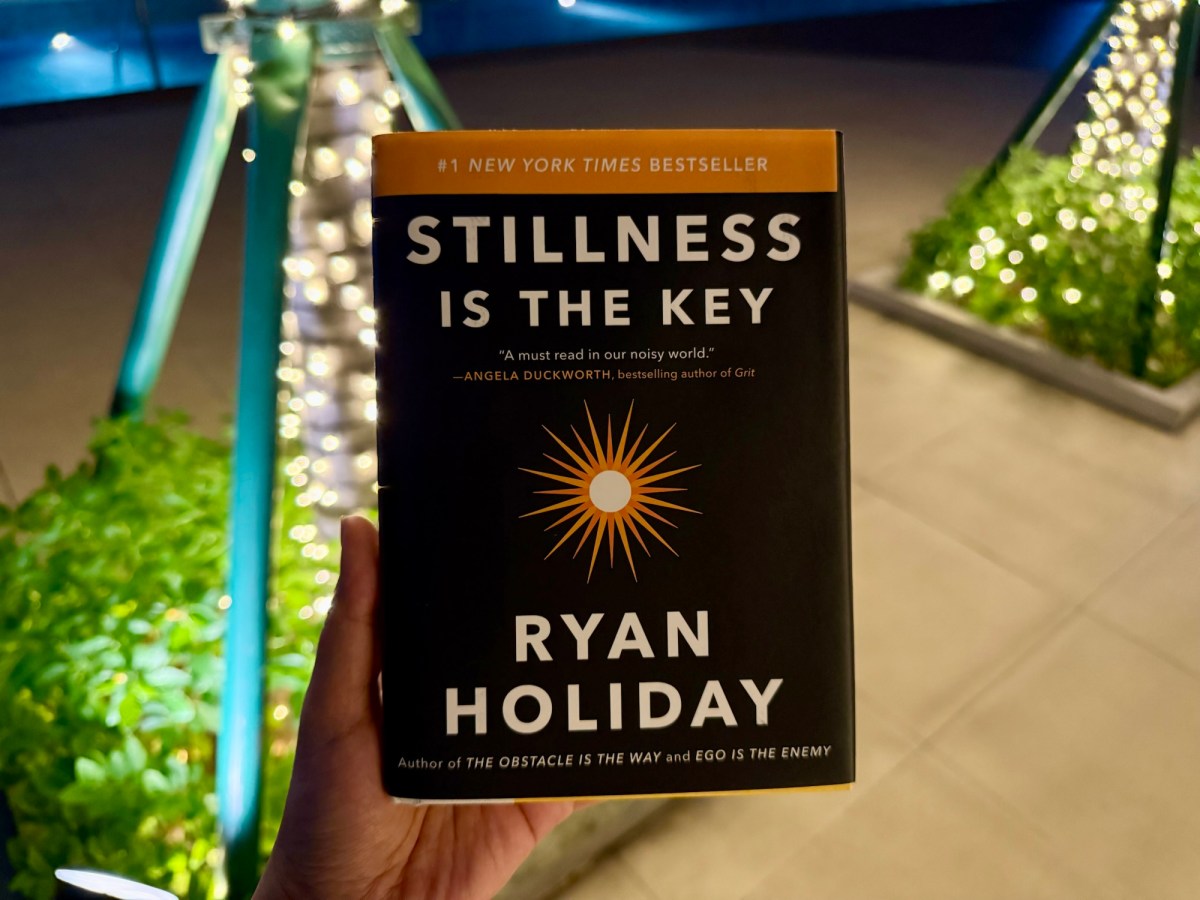
Stillness is the Key by Ryan Holiday: Raw Insights for a Transformative New Year
Today is the second-to-last Sunday of the year. As the days wind down, I wanted to share something meaningful—something you can carry with you into the coming year. I’ve found just the thing: Stillness Is the Key by Ryan Holiday. I read this book a few years ago, and it’s stayed with me ever since…
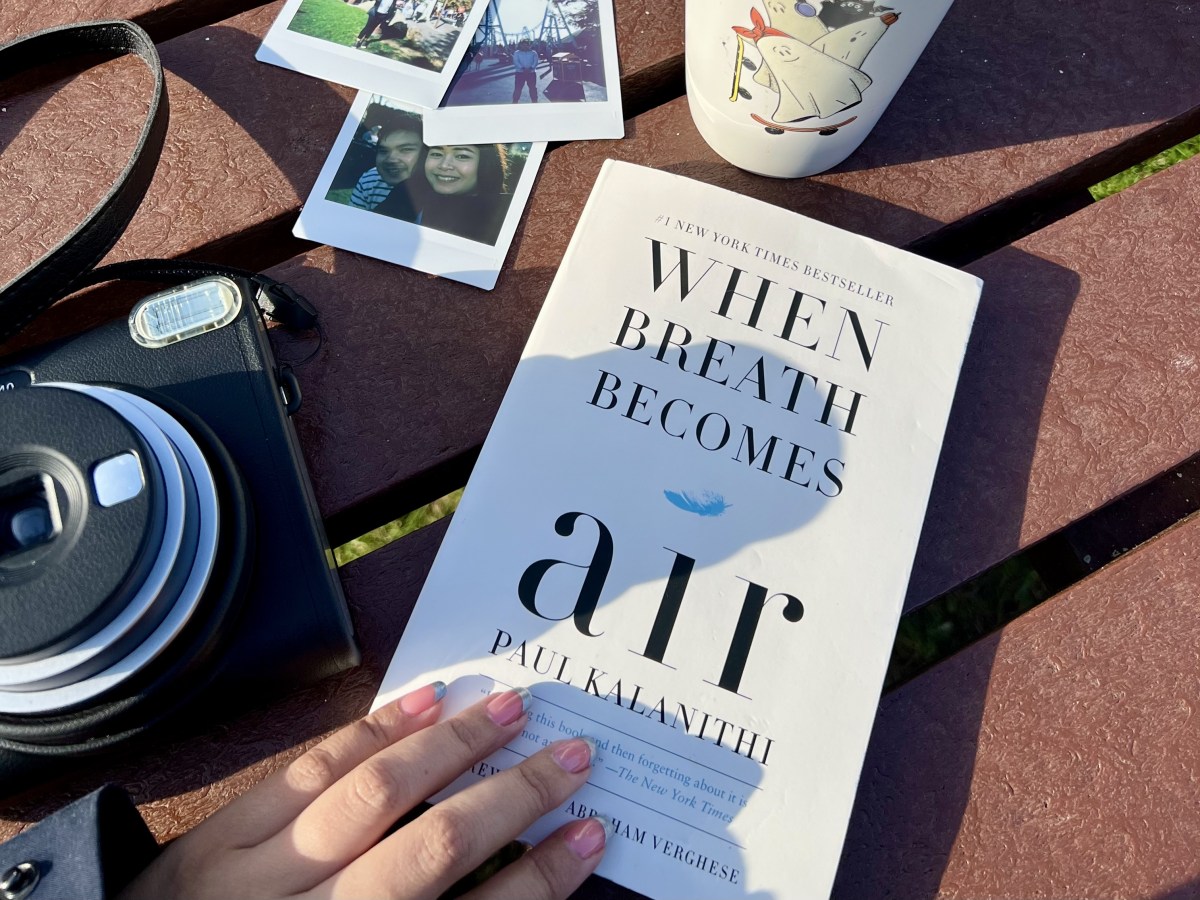
Embracing Life, Death, and the in Between: A Reflection on Paul Kalanithi’s ‘When Breath Becomes Air’
In the quiet contemplation of our inevitable end, we often find the courage to truly live. Paul Kalanithi’s “When Breath Becomes Air” is an unclouded reminder of this truth. A testament to a life fully lived in the face of death.
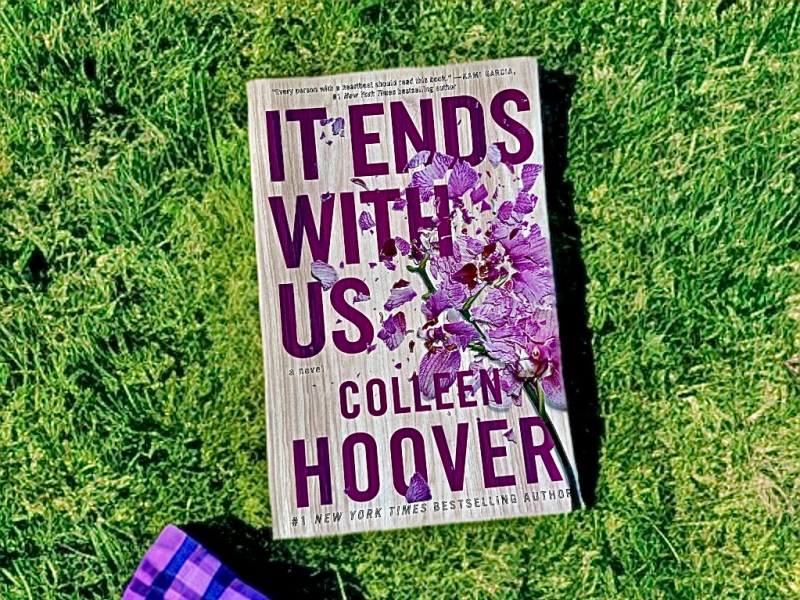
‘It Ends With Us’ by Colleen Hoover: Lessons About Love, Trauma, and Growth
For once in my life, I can say this: I rate the movie higher than the book. But this isn’t a book review. Nor is it a movie review. So I won’t dwell on why. Instead, I want to share the lessons that hit home for me while watching the film. (Spoilers ahead!)

Leave a comment