I know the title is weird right now, so let me explain.
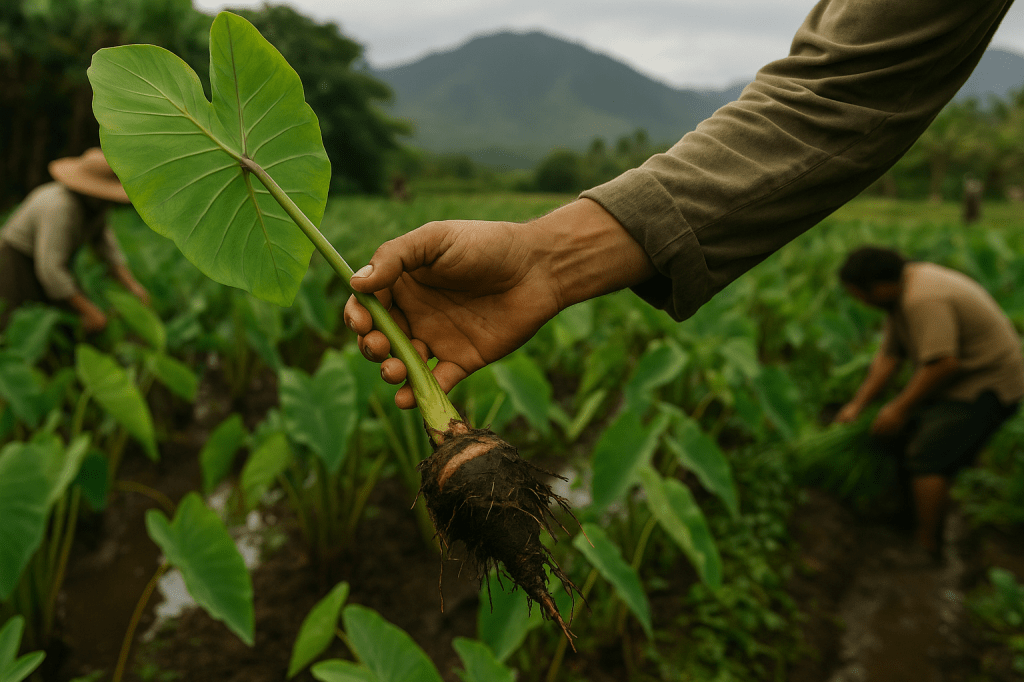
An hour ago, I was watching the latest episode of Chief of War on Apple TV, where Kamehameha was teaching the kids about ‘oha, the offshoot of the taro plant, and how that word is at the root (literally and figuratively) of ‘ohana, the Hawaiian word for family.
The idea is beautiful: just like taro shoots grow from the same root, people grow and branch out but always remain tied to one another.
But you know what… I’m sorry, that wasn’t the thing that stuck with me the most. 😅
I paused the series, turned to my fiancé, and started talking about the thing forming in my head as I frequently do. And that’s what I want to talk about today too.
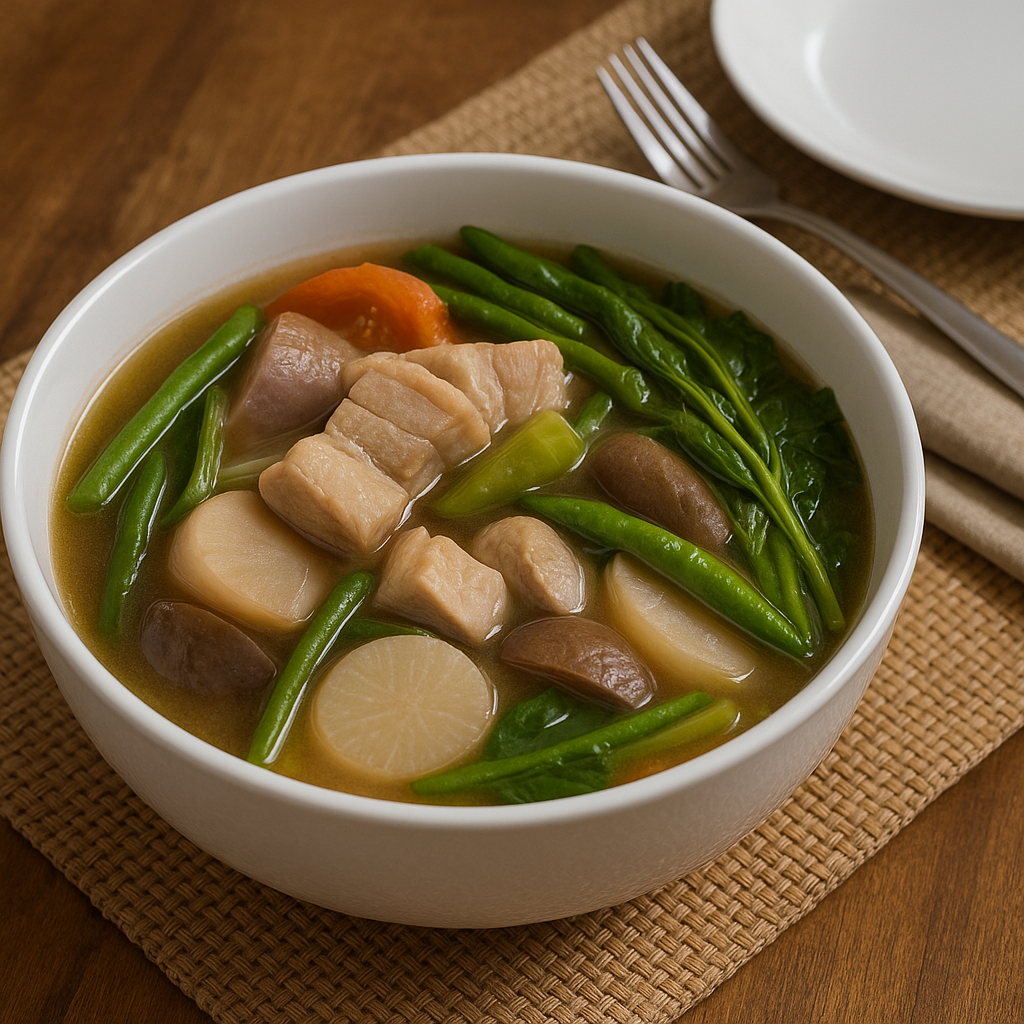
Because of that taro plant, I asked him if Hawaiians ever cooked sinigang before—a Filipino dish with a few vegetable ingredients, including taro, plus some pork. It’s sour soup, and as spicy as you want if you toss in green chili.
Since he’s used to my random ADHD questions, he thought for a bit and simply said, “Hmmm… maybe. Or maybe some version of it.”
And then suddenly, another question popped in my head.
Did they even have all the ingredients required to make sinigang?! Here they are:
- Pork
- Taro
- Tomatoes
- Onions
- Tamarind
- Water spinach
- String beans
- Eggplant
- Radish
- Green chili peppers
- Fish sauce
- Salt and Pepper
- Water
We didn’t research the answer, but most probably… they didn’t. Hawaiian islands are volcanic and considerably small, and it’s just impossible for all kinds of fruits and vegetables to grow natively on one island.
I say “island,” singular, because we were talking about the times when the Hawaiian islands weren’t united yet. Remember, we were watching Chief of War, which was set at a time when the chiefs were still at war and waiting for the prophesied someone who would unify them all. So back then, they couldn’t just casually hop in a canoe and row from island to island to pick up ingredients. And honestly, even if they could, that would’ve been way too much effort!
Anyway, back to my point. My fiancé and I started talking about how it must have been difficult for people back then to gather ingredients for the kinds of meals we can cook and enjoy now—meals that take us only a grocery run and a few hours to make. Or, if we’re lazy, we just go to a restaurant and let someone else cook what we’re craving.
I told him how I suddenly had this respect for people back then and the hard work it took to remember where to go, who to go to, and when to go for specific ingredients.
Assume that tomatoes didn’t grow on your island (or wherever you are, if you don’t live on an island). Where would you get them? Who would you barter with? When would you go? All this effort—for maybe just one ingredient.
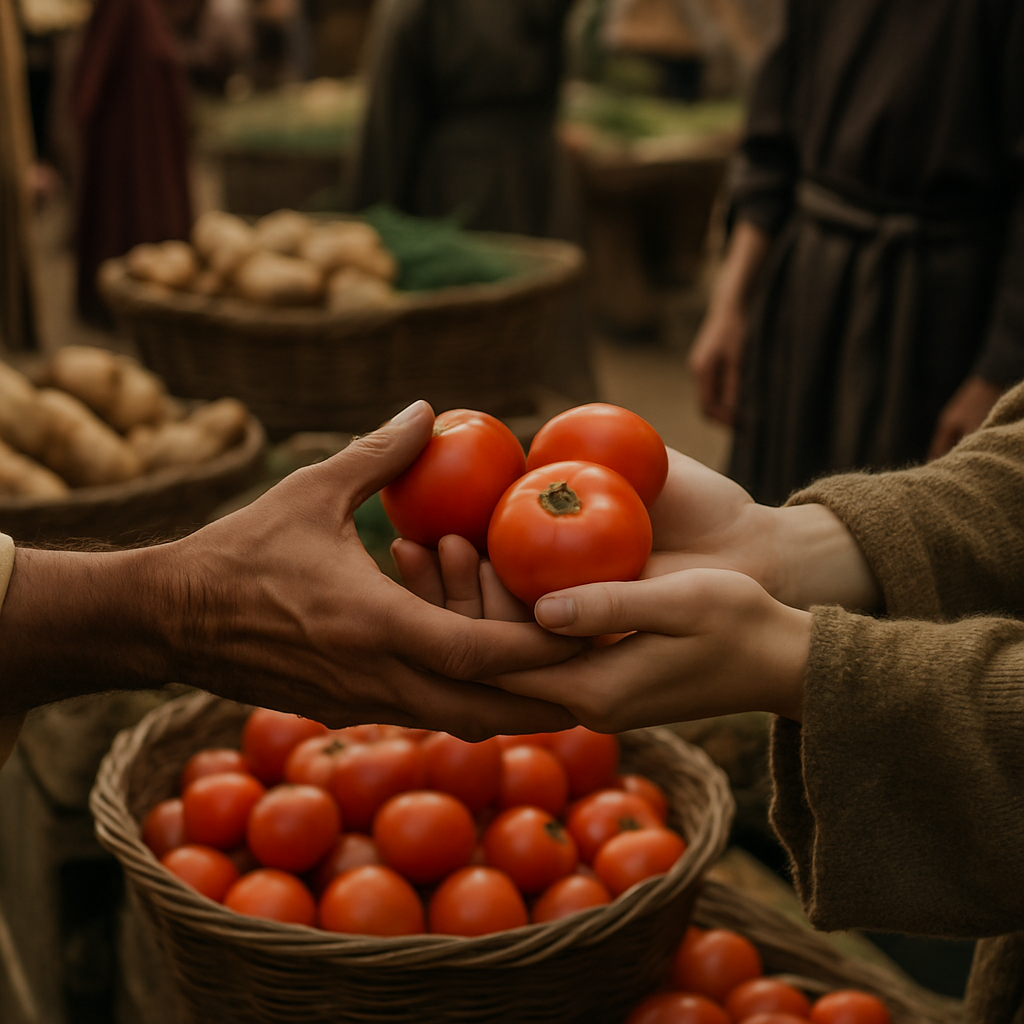
People couldn’t make sinigang just because they craved it. They had to wait until they could gather the right ingredients, or even alternative ingredients, and that could take some time!
And that brings me to my point: WE DON’T APPRECIATE MODERN SUPPLY CHAIN DEVELOPMENTS ENOUGH!
How crazyyyyy is it that we have so much access to ingredients from around the world??? Our ancestors would never have imagined we could have the things we now hold in the palm of our hands. Yet here we are, barely remembering to be grateful for such things because we take them for granted. If we want tomatoes, for example, we just go to the grocery store. Or order online and have them delivered to our doorstep.
It’s crazy! And between those years when Hawaiian islands were still at war and now, the development of the global supply chain has been insane.
All the suffering in between, the sacrifices made by endless numbers of people just for us to get to this point, the secret negotiations, the butterfly effect, and of course, the invisible hand that somehow makes all the puzzles fit—even amidst entropy.
This could be something I’d want to dive into in the future, if my ADHD doesn’t take it away from me. 🤣
Anyway, that’s about it. I’m really, really, really thankful to be living in such a time when the global supply chain is so advanced and coordinated that I can get tomatoes for my sinigang whenever I want them. Want. Not need. See?
And how terribly sad it would be if all these things our ancestors worked so hard to give us, these advances, would disappear because we couldn’t make things work in terms of tariffs, trade, and all the other complicated stuff I don’t know enough about. But that’s another topic that could open a can of worms—or Pandora’s box even—so let’s leave it on a good note:
Thank You, as always, for the good things people of this world can enjoy together, each in our own corner of the globe. Thank You.
And to you, dear reader: thank you for coming to my random TED Talk.
Usually, it’s just my fiancé who bears my ADHD outbursts. But today. Today, you witnessed it too. 🙂
P.S. My posts are lined up to publish on specific dates, so I wasn’t actually watching TV “an hour ago.” I wrote this waaaay earlier, when my ADHD was acting up, and had it scheduled to go live today. To self, when you read this, I hope you aren’t already regretting this version of you unleashed to the public. 🤣

An Open Letter to Travelers Who Love the World as Much as I Do
A dear friend who recently conquered med school is now discovering the joys of traveling. He’s been hopping from country to country, spending a few days at most in each, and sending me photos of his wild adventures.
While I am happy for him, ultimately we had to have a chat, especially after he mentioned…

11 Blessings of Modern Life: A Woman’s Perspective
I know it sometimes feels like guilt to acknowledge your blessings. Because the moment you become aware of how good you have it, you can’t unsee how many others don’t.
But you know what? In these times, when opening the news feels like bracing for another wave of bad headlines, I want to offer a…

“Why Is This News?!”—In 2025, Let’s Say Goodbye and Good Riddance to Irrelevant News Articles
Celebrity scandals. Questionable red carpet outfits. A headline about someone’s $30 avocado toast.
Cue the chorus in the comments section: “Why is this news?!”
If this sounds familiar, you’re not alone. It’s frustrating to expect serious journalism from a platform you follow for “real news” only to see fluff clogging your feed.
But before we…
 When King Writes
Leave a comment