
- What Makes Mt. Pulag Special?
- Where is Mt. Pulag?
- How Cold is it in Mt. Pulag?
- When is the Best Time to Hike Mt. Pulag?
- How Long Will It Take to Hike Mt. Pulag?
- Is Mt. Pulag Beginner-Friendly?
- What’s the Most Difficult Part of Hiking Mt. Pulag?
- Do I Have to Hike to the Summit to Reach the Sea of Clouds?
- Where to Stay in Mt. Pulag?
- How Do I Contact Mt. Pulag Tours?
- Can I Hike Mt. Pulag Without a Tour Guide?
- What should I Bring to Mt. Pulag?
- Is there anything else to do before I hike Mt. Pulag?
- Are There Restaurants and Shops Near Mt. Pulag?
- Is Mt. Pulag Worth the Hike?
I had the adventure of a lifetime hiking Mt. Pulag! And now I’m here to answer some popular questions for those planning or considering a trek to the magnificent sea of clouds.
In this article, I’ll cover essential topics like accommodation options, necessary gear, the hike’s duration, and difficulty level, among other important details.
Additionally, you’ll find snippets of experiences from my hike—offering a unique perspective from our group’s adventure to Mt. Pulag. These insights aim to better prepare you for one of the most breathtaking experiences in the Philippines.
What Makes Mt. Pulag Special?
Mt. Pulag, a dream destination for many locals and tourists, offers an unparalleled sunrise experience. Few hikes in the Philippines can match breathtaking views like the one you’ll see in Pulag. You’ll be standing on the summit, enveloped by a sea of clouds, as the sun slowly rises. The tranquility and beauty from this vantage point are simply surreal. It’s a humbling moment when you’re just standing there staring at that beautiful creation.
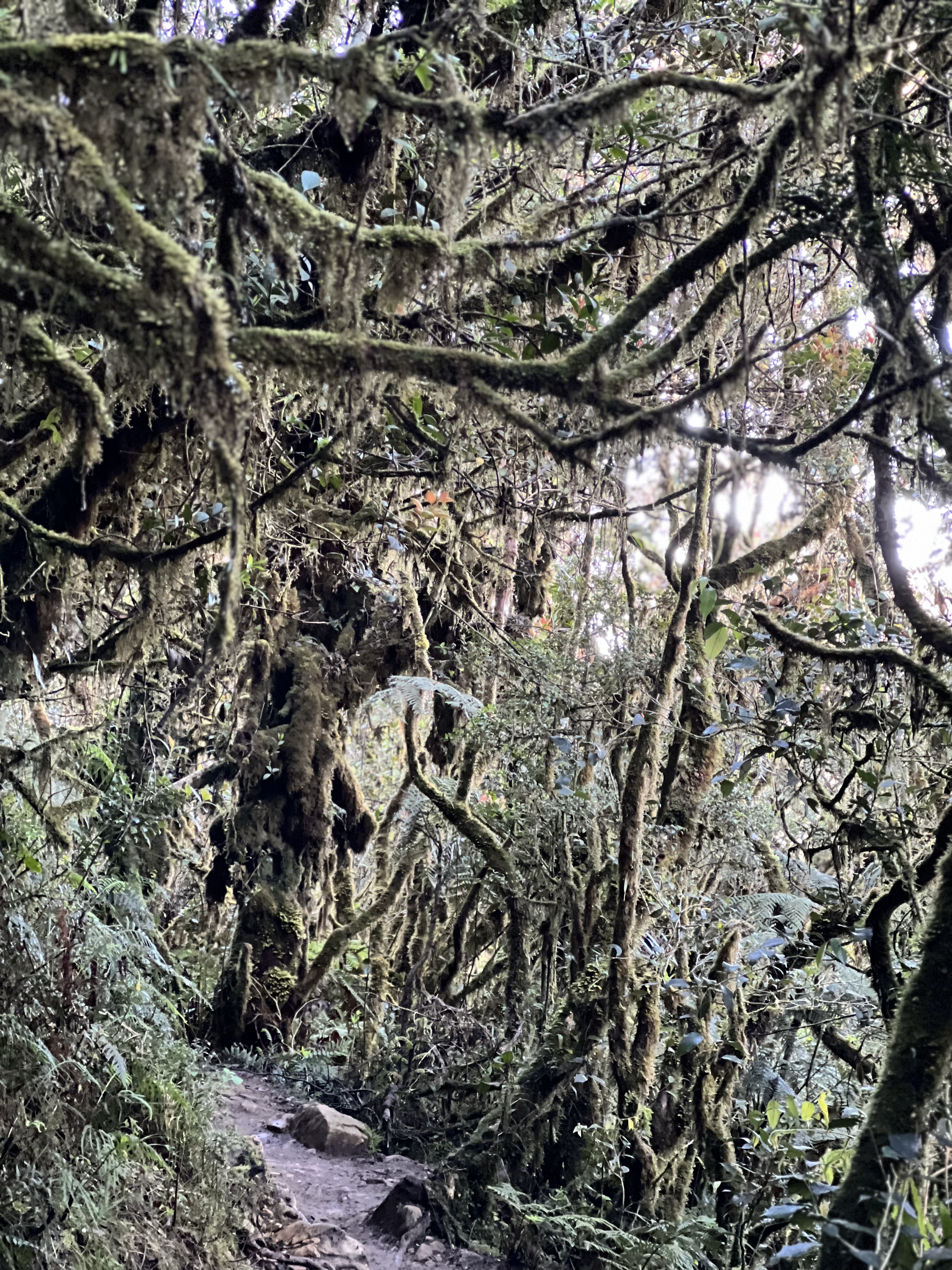
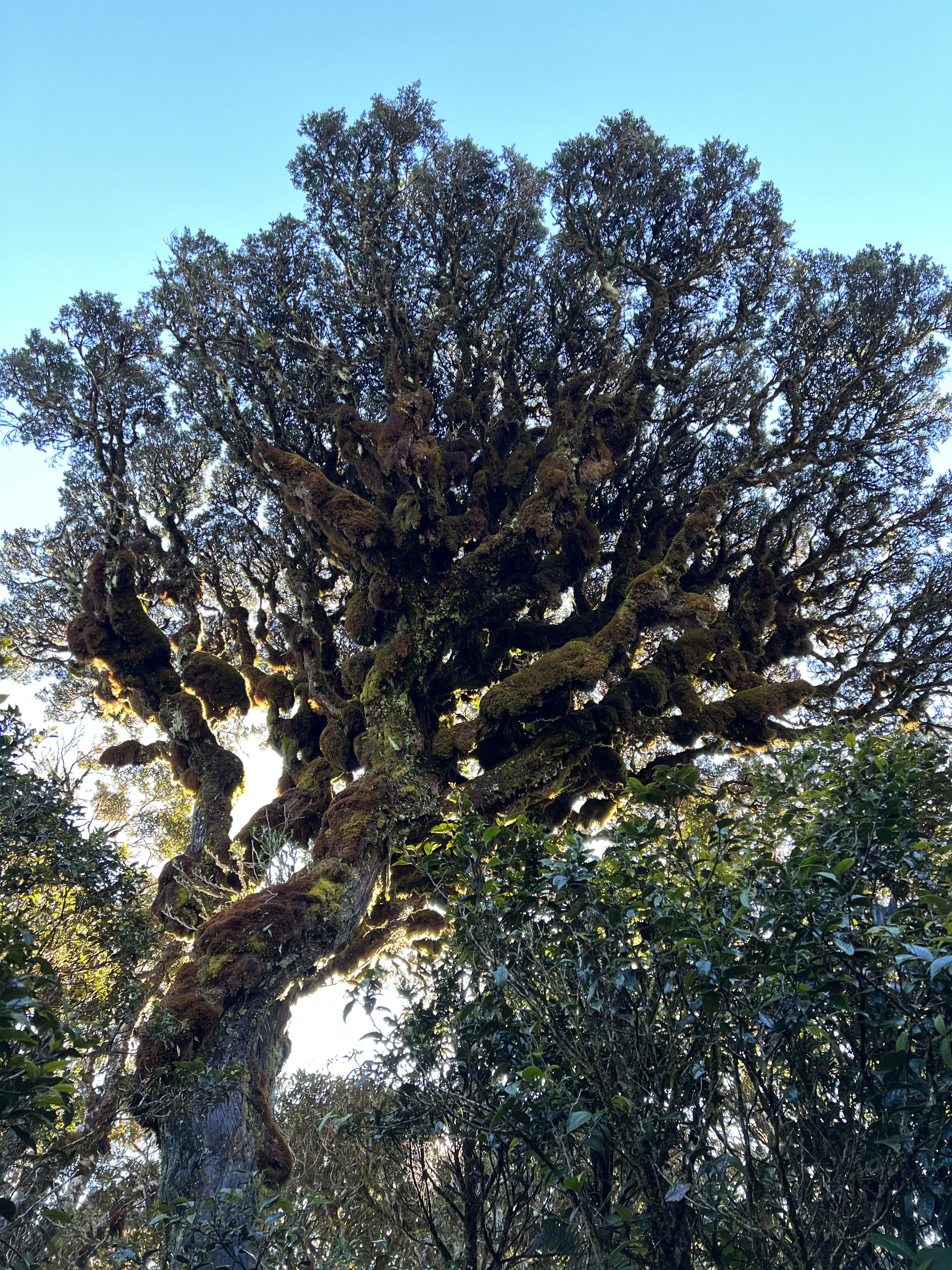
But the hike up isn’t the only highlight. The descent from Mt. Pulag offers its own rewards too. Bathed in daylight, the journey back reveals the enchanting mossy forests in their full glory. You could even spot some birds and if not, hearing them chirp already adds a ton of good vibes to the trip.
Of course, a trip to Mt. Pulag is one-of-a-kind because of the community who live there. Indigenous tribes live around the mountain, the Ibaloi tribe being the most prominent. Their ancestral lands span across Benguet and Ifugao. They’re known for their rich cultural heritage, evident in their traditional weaving, wood carving, and intricate rice terraces.
During your hike, you might encounter members of the tribe, some of whom assist hikers by carrying bags for a fee (around PHP 1,500 roundtrip). Their strength and agility are truly admirable. I remember witnessing an elderly man effortlessly carrying heavy bags down the mountain with remarkable speed, almost superhuman in his ability.
Where is Mt. Pulag?
Mt. Pulag is located in Northern Luzon and spans across the provinces of Benguet, Ifugao, and Nueva Vizcaya. It’s a bit of a journey from Manila but totally worth it.
There are a few ways to get to Mt. Pulag from Manila, depending on your budget, time constraints, and travel preferences. Some of the people we hiked with drove their own cars. You can just pin the address of the homestay using Waze or Google Maps.
The journey from Manila to Benguet takes 6-8 hours depending on your speed and traffic. Baguio, a popular town that you need to pass through, typically receives a lot of traffic from November to March.
None of us wanted to drive that long to Mt. Pulag’s jump-off point and back again, considering that we were all reserving our energy for the hike. That said, we booked a tour (more about the tour package later on) with a roundtrip van transfer so we didn’t need to worry about navigating the road or wondering if we were lost (haha).
You can also ride the bus. From Manila, take a bus to Baguio City (5-7 hours). From Baguio, catch a jeepney or van to Kabayan, Benguet, where the entry point to the mountain is located (another 1-2 hours). You can choose between Victory Liner, Genesis Transport, or Ohayami Trans. Make sure to book your tickets in advance, especially during peak season.
How Cold is it in Mt. Pulag?
At the summit of Mt. Pulag, temperatures can plummet to near-freezing levels, particularly from December to February.
I hiked Mt. Pulag in the third week of February. Arriving at our homestay around 6 AM, we were greeted by the brisk, cold air, with the temperature hovering around 11 degrees Celsius. When we began our ascent at 2 AM the following day, it was even chillier, with temperatures ranging between 3 to 5 degrees Celsius.
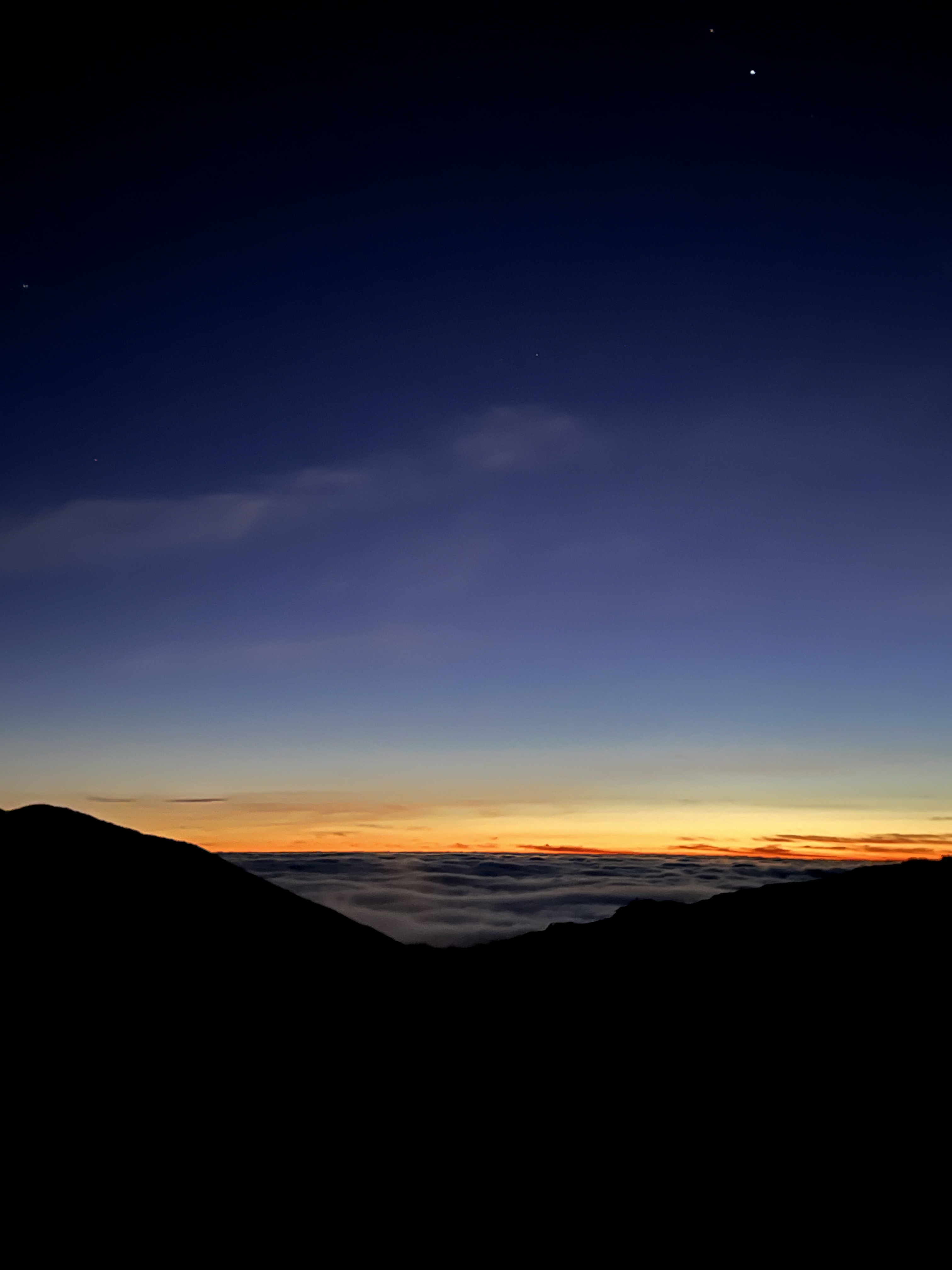
Pack thick clothing and multiple layers for warmth! If you read further, I’ve also detailed some essential items to include in your packing list to ensure you’re well-prepared for the chilly conditions.
When is the Best Time to Hike Mt. Pulag?
The best time to hike Mt. Pulag is during the dry season, spanning November to May. This timeframe generally offers clearer skies and reduced rainfall, making the hike more enjoyable and the views even more spectacular

However, we all know that weather patterns have become less predictable these days. The once reliable typhoon-free months can now occasionally experience weather disturbances, so the Philippines sometimes gets typhoons even in December. That said, always check the weather forecast before booking a tour or planning your hike.
Our hike to Mt. Pulag in the third week of February couldn’t have been better timed. We were rewarded with the iconic sea of clouds, basked in golden sunshine, and, fortunately, not a drop of rain. It felt like heaven.
But to set your expectations, not every hiker is greeted by the sea of clouds. There are times when clear skies prevail instead of the anticipated cotton candy-like cloud formations. Our tour guide explained that strong winds can disrupt cloud formations, making it challenging for the “sea of clouds” to form.
How Long Will It Take to Hike Mt. Pulag?
The time required to reach the summit of Mt. Pulag varies based on the trail you’ve chosen. We hiked via the Ambangeg trail, which typically takes between 4 to 6 hours. This trail is renowned for being both the most accessible and the easiest, whereas the Akiki Trail offers a more rigorous challenge.
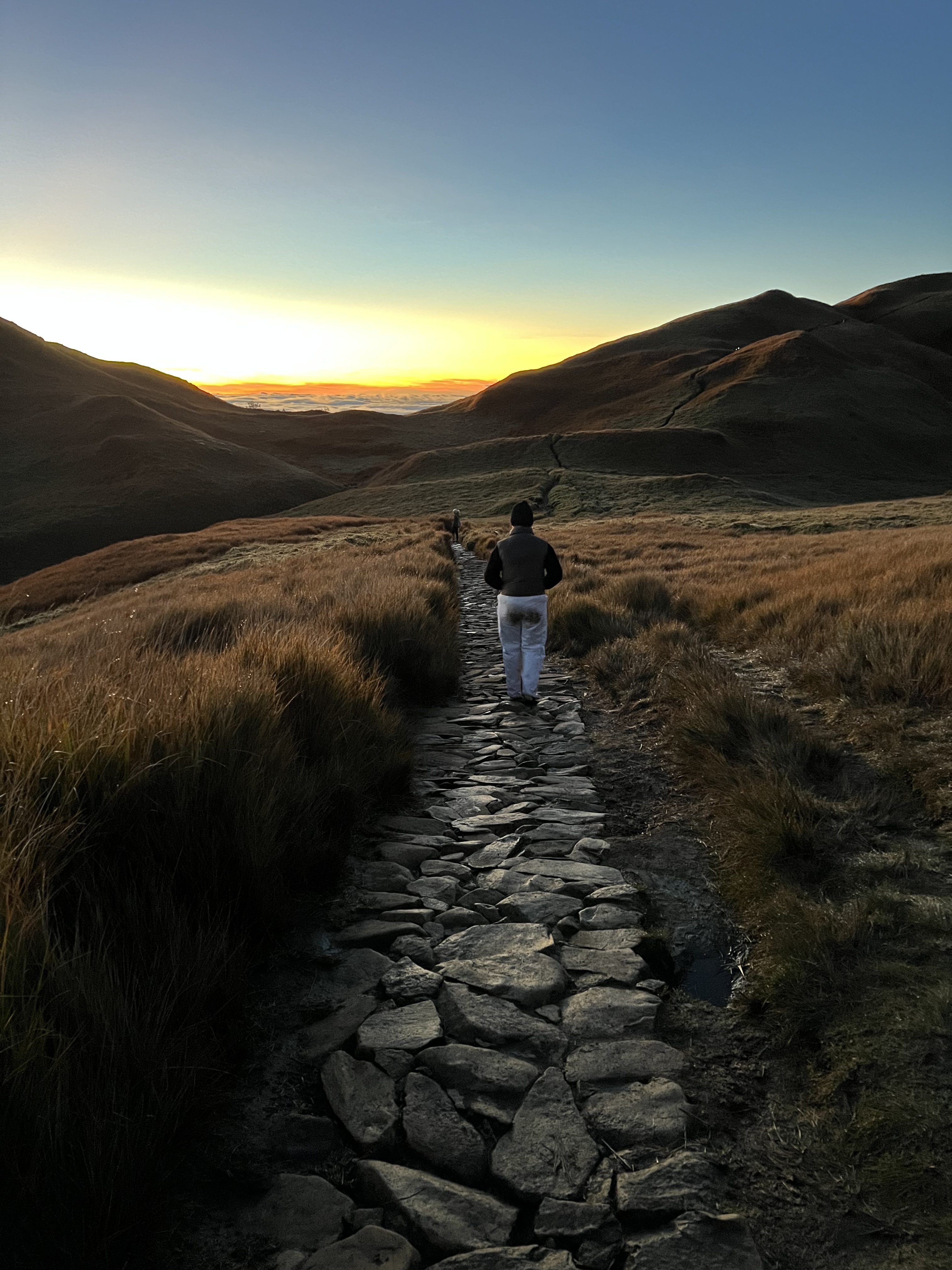
Our ascent to Mt. Pulag via the Ambangeg trail began at 2 AM. We arrived at the summit just before 6 AM, the perfect time to enjoy the sunrise amidst a breathtaking sea of clouds. Some hikers reached the summit closer to 7 AM, by which time the sun had fully risen, ushering in a bit more warmth. At this point, you might feel comfortable shedding a layer or two, though the air will still have a chill.
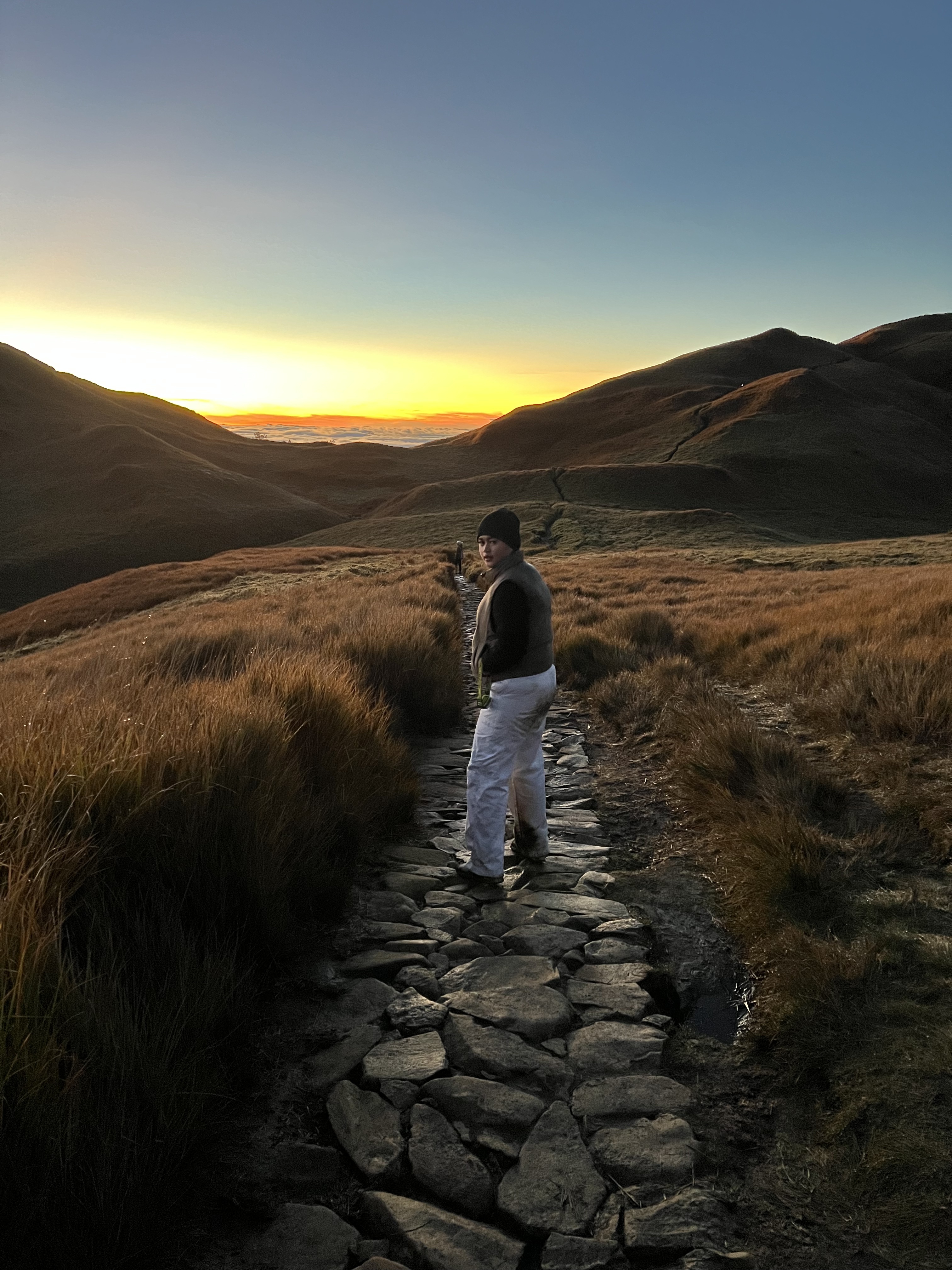
If you anticipate a longer hike to the summit, consider an earlier start. Just inform your tour guide that this is something you want to do so they can arrange for you to be in a group with similar plans.
The hike includes two rest stations. I can confirm that there’s a basic restroom at the first station, as I used it. However, I’m not sure about the facilities at the second station. Bring your own tissue and a plastic bag!
Is Mt. Pulag Beginner-Friendly?
Yes, if you take the Ambangeg Trail. It’s the easiest route and offers a scenic, manageable climb perfect for first-timers. Expect a steady climb, gaining around 1,253 feet (382 meters) over the 5.15-mile (8.3 km) out-and-back journey. While it may not be the steepest, the incline is significant enough to give your thighs a good workout!
The hike to the summit typically starts in the early hours of the morning to catch the sunrise. You’ll have to navigate through tough and slippery ground in the dark, which adds to the difficulty.
That said, our group didn’t train for the hike, a decision we regretted given the number of breaks we needed to catch our breath. If you find yourself needing to pause, don’t hesitate to do so. This journey isn’t a race to the summit. Take your time, soak in the scenery, and pay attention to your body’s signals. Pushing yourself too hard can spoil the fun.

Also, prepare for the cold. If you’re someone who often experiences colder hands and feet (like me), wearing thick socks and gloves is a must. Don’t forget a beanie and ear muffs to keep your head and ears warm too!
What’s the Most Difficult Part of Hiking Mt. Pulag?
In my experience, the most challenging part is the steep incline during the final 30 minutes before reaching the summit. This part of the hike felt like an intense leg workout! The final ascent to the summit of Mt. Pulag is known for being quite challenging. With no ledges to grasp, there were moments when I had to use my hands for additional support.
This stretch was also when I needed to take the most breaks. The local community has worked hard to make this part of the trail more accessible by constructing a stone path. However, given the mountain’s propensity for mist, it’s unavoidable for the path to still become muddy, further intensifying the difficulty of this steep incline. But once you’ve reached this final stretch of the hike, don’t give up! Think of the ultimate rewarding view waiting for you at the summit.
Do I Have to Hike to the Summit to Reach the Sea of Clouds?
Not at all! Here’s a tip for beginner hikers or those who feel the summit might be out of reach: Let your tour guide know in advance! Your guide can take you to a specific part of Mt. Pulag where you can witness the same mesmerizing Sea of Clouds and enjoy a view similar to that from the summit. This alternative spot is roughly 1 to 1.5 hours away from the summit and is a great choice if you’re starting your hike late and doubt you’ll make it to the summit in time for sunrise.
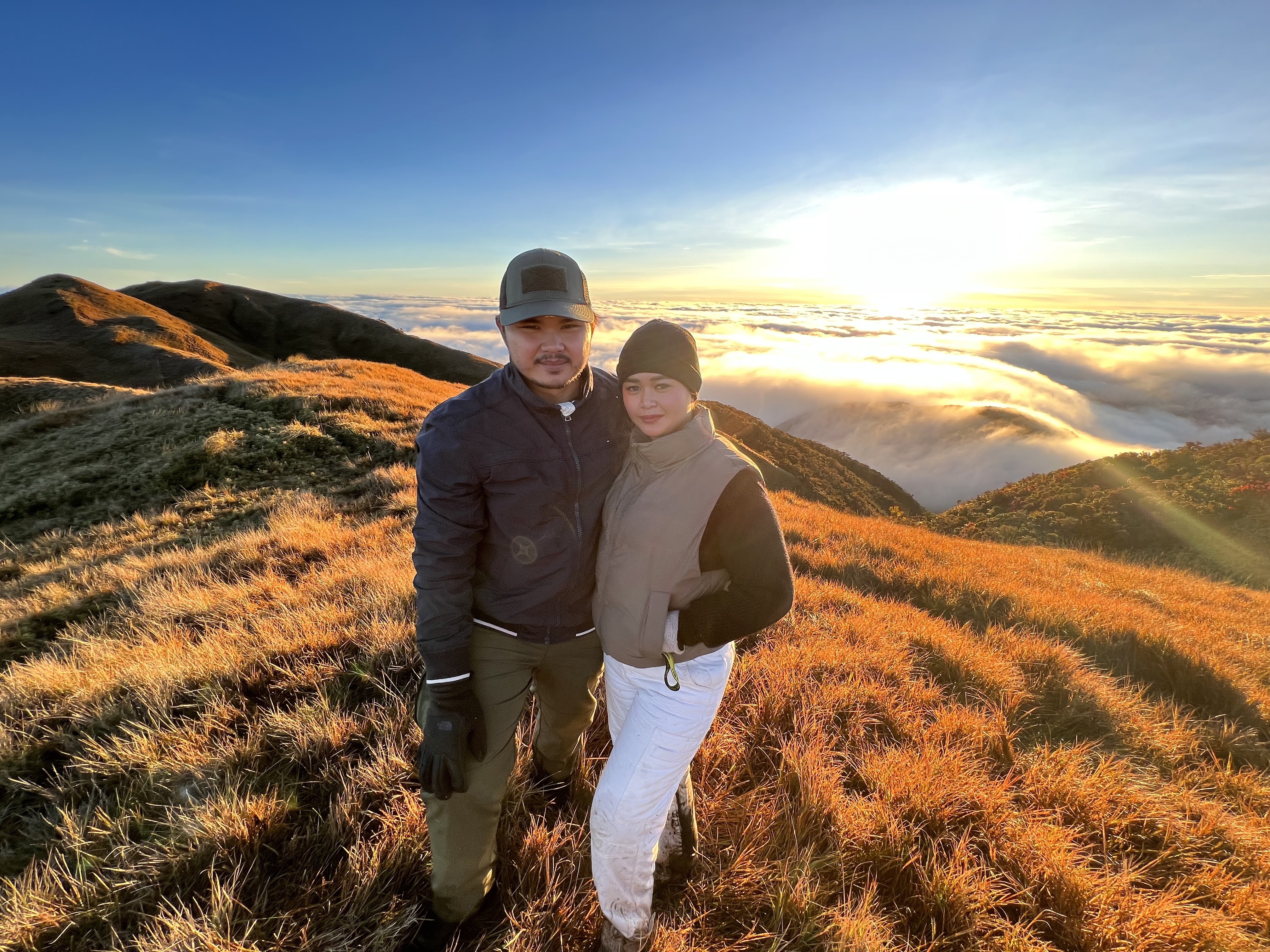
This particular location on Mt. Pulag doesn’t have a specific name, but it’s well-known among tour guides. Many hikers who opt not to continue to the summit are brought here instead. After descending from the summit myself, I visited this area and found it to be less crowded, with even more cloud coverage. This is probably because of its lower position on the mountain, immersing it deeper in the mist. In my opinion, this spot had a more romantic and serene ambiance compared to the summit.
Where to Stay in Mt. Pulag?
When visiting Mt. Pulag, you can camp at designated sites near the summit or stay at homestays or lodges in nearby towns.
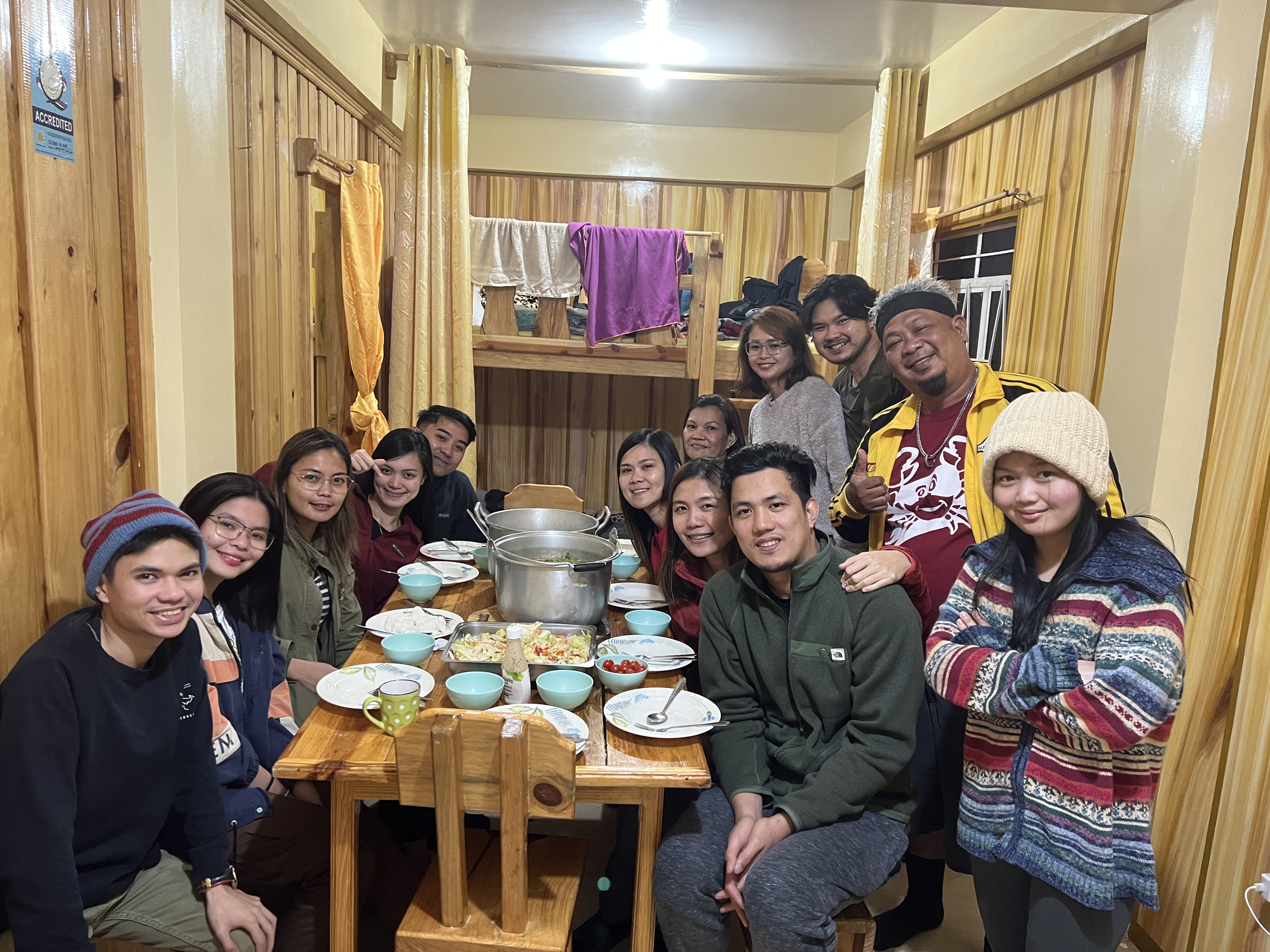
Most Mt. Pulag tours include an overnight at a homestay, conveniently located just a short walk from the trail’s jump-off point in Benguet. We stayed at a recently renovated residence where guest rooms were situated upstairs. These rooms featured bunk beds, which we shared with our group. The homestay also had a long dining table where we enjoyed meals together.
While the homestays in Benguet are all within walking distance of each other, some are closer to the jump-off point than others. Most of them are simple residential homes, so don’t expect luxury amenities. They typically offer basic facilities like beds, a dining area, and a communal space.
Now, the campsites. To the best of my knowledge, there are three campsites in Mt. Pulag:
- Camp 1 is tucked away within the mossy forest, about 2 kilometers into the Ambangeg Trail.
- Camp 2 is at the edge of the grassland, around 3 kilometers into the trail.
- Our local guide said that Camp 3 is only accessible via the Akiki trail, so it’s only ideal for experienced trekkers seeking an adventurous hike.
We met several campers during our ascent and descent. On the way up, we shared coffee with some of them who were preparing to join us in summiting. The cold was intense, and their only protection against the chill was their tents and lamps.
Descending, we saw the campsites again and took breaks with the campers. They left their tents pitched while ascending the summit, packing up only after their descent. I didn’t notice any cooking gear, but there was a communal area with wooden tables and chairs for campers to use.
How Do I Contact Mt. Pulag Tours?
Just a quick online search will show you several tour operators. They offer packages that include transportation, guides, and sometimes meals.
We found our Mt. Pulag tour guide on Facebook. Just type relevant keywords like “Mt. Pulag tour,” “Pulag climb,” “Pulag package,” or “joiners Pulag” in the Facebook search bar. Tour operators and travel agencies often have Facebook pages showcasing their packages, schedules, and pricing. Check for verified pages with good ratings and customer testimonials.
Our tour was PHP 4,300 per person, with a total of 12 people in the group. The package includes:
- Roundtrip transfer from Manila
- Tour guide
- Overnight homestay
- Meals (breakfast, lunch, and dinner)
- Environmental and hiking permits
I say it’s affordable given the inclusions. One of the tour guides climbed back down to the homestay earlier than us so he could cook us brunch. We ate delicious Filipino meals throughout our stay, filled with fresh meats, fruits, and locally produced vegetables.
Can I Hike Mt. Pulag Without a Tour Guide?
No, having a guide is mandatory for hiking Mt. Pulag. This requirement is in place both for your safety and to help preserve the natural environment of the mountain.
And if it’s your first time trekking Mt. Pulag, a guide is indispensable. The paths can be very dark, and at certain points, they may fork, leading to different directions. A tour guide will help you stay on the right path and have a safe, enjoyable hiking experience.
What should I Bring to Mt. Pulag?
When packing for Mt. Pulag, aim for a balance between light and practical. If you’re on a guided tour, you’ll likely be staying just one night, so focus on essentials. Consider an overnight backpack that’s big enough for the following items, unless you’re already wearing some of them:
- Certificate of Fit to Climb
- Waterproof hiking boots
- Indoor slippers
- Base layers (like Uniqlo’s Heat Tech tops and leggings)
- Raincoat/rain gear
- Fleece jacket/windbreaker
- Beanie
- Gloves
- Thick socks
- Underwear
- Long-sleeve pajamas
- Toiletries
- Hairbrush and hair tie
- Towel
- Headlamp
- First-aid kit
- Insulated water bottle
- Snacks
- Medicine and multivitamins
- Powerbank
- Camera
- Charger

Additionally, a smaller hiking bag can be useful for carrying essentials during the hike. Most hikers (including me) leave their larger overnight bags at the homestay. We only took what we needed for the ascent and descent.
Is there anything else to do before I hike Mt. Pulag?
Before embarking on your Mt. Pulag hike, there are a few important steps to take upon arrival in Benguet:
- Obtain a Certificate of Fit to Climb: Your tour guide will take you to a local clinic. A doctor there will assess your fitness level by checking your heart rate and blood pressure and asking health-related questions. You’ll also fill out a health form. Once deemed fit, you’ll receive a certificate confirming you’re fit to climb.
- Attend an Orientation: The tour coordinator will guide you to an orientation room near a community school. Here, you’ll join other hikers for a briefing about the trek scheduled for the next day. Hiking usually begins between midnight and 2 AM. While there might be daily limits on the number of hikes (though I’m not certain if this is still the case), attending the orientation is mandatory for all. It concludes with a Q&A session, so ask away if you still have any questions.
- Explore the Local Area: Post-orientation, which typically ends around noon, you’ll have the remainder of the day to explore. Take this time to wander through the town, visit local shops, and pick up any last-minute necessities. I’ve provided more details about this in the section below.
Are There Restaurants and Shops Near Mt. Pulag?
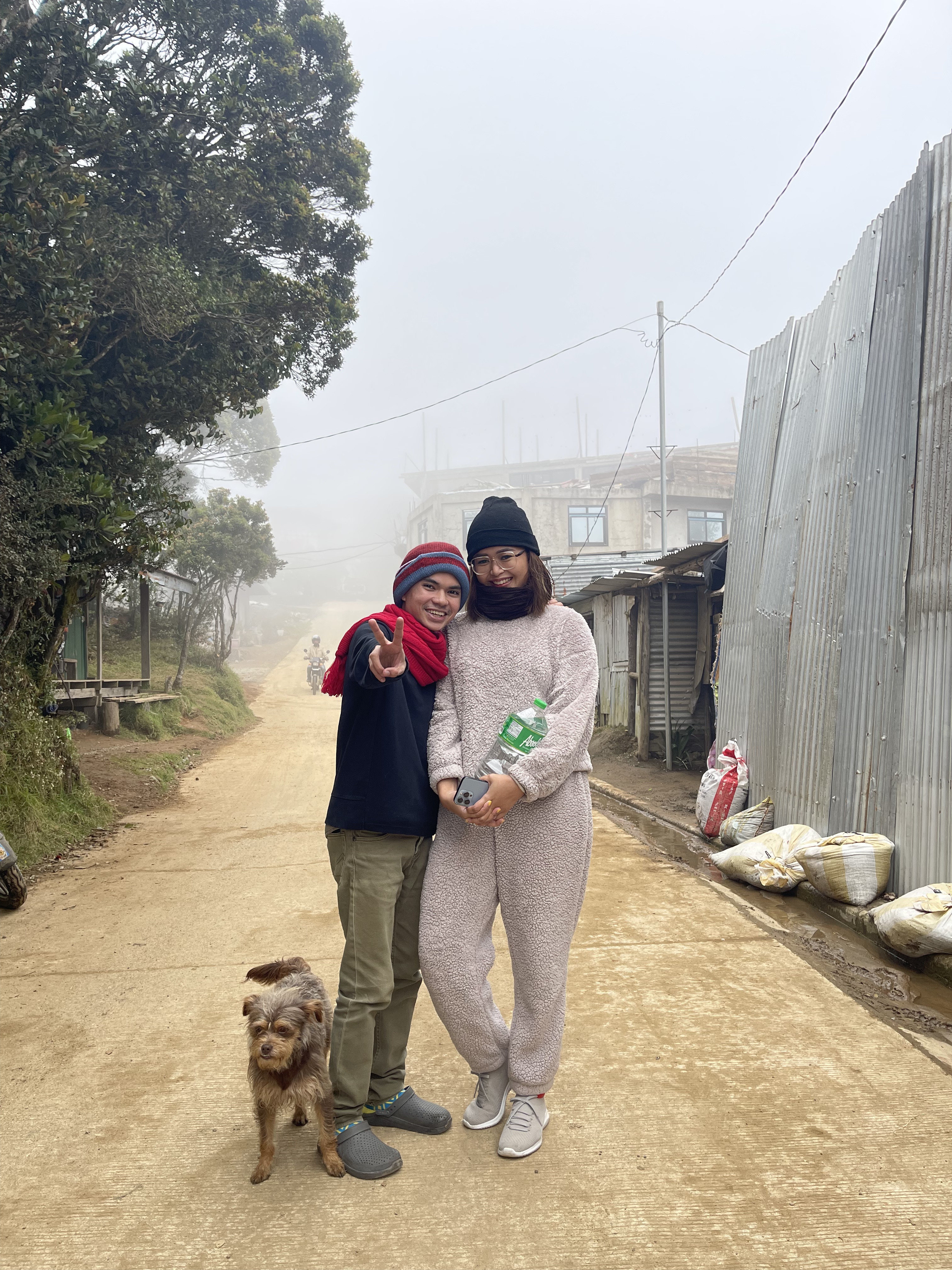
You won’t find restaurants and shops close to Mt. Pulag’s summit, but the local communities near the jump-off points are home to small eateries and shops.
These shops generally maintain standard pricing and offer similar assortments of items. You can find jackets, waterproof clothing, gloves, scarves, headlamps, and other essentials for the hike.
As for the eateries, they primarily serve Filipino cuisine and instant noodles. Around lunchtime, we found them offering dishes like ham, hotdogs, eggs, and chicken nuggets, along with soft drinks and juice.
After exploring the shops and eateries, we headed back to our homestay, a brief 5-minute drive from the town proper and conveniently located at the base of the jump-off point. If you forget to buy some essentials like water, snacks, or drinks, there are “sari-sari” stores nearby. These are small local shops typical in the Philippines, known for selling a variety of essential items.
Is Mt. Pulag Worth the Hike?
Absolutely! The views, the experience, and the sense of achievement are all incredible. It’s a unique adventure you won’t forget.
That’s it! I hope I answered all your questions about Mt. Pulag. If you have any more questions, feel free to post a comment or send me an email.

Leave a comment